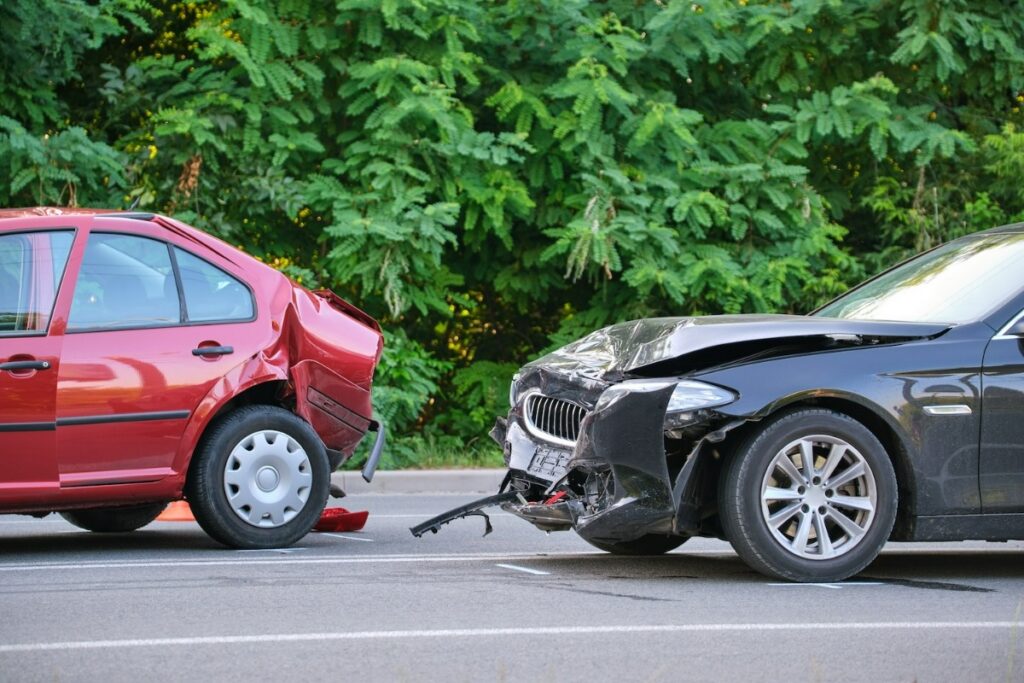


Car accidents happen in an instant, but the physical effects can linger for weeks, months, or even years if left untreated. Here in Washington, DC, where traffic congestion and busy intersections are part of daily life, auto accidents are unfortunately common. Even seemingly minor fender-benders can cause injuries that don’t show symptoms immediately but develop into chronic pain and dysfunction over time. At Friendship Heights Chiropractic in Washington, DC, we see patients every week who are dealing with the aftermath of car accidents, and we understand how overwhelming it can be to navigate recovery while managing insurance claims, medical appointments, and daily responsibilities.
The good news is that chiropractic care offers safe, effective, drug-free treatment options specifically designed to address the types of injuries most commonly sustained in auto accidents. Whether you’re dealing with whiplash, back pain, headaches, or stiffness, understanding your treatment options can empower you to make informed decisions about your recovery and get back to feeling like yourself again.
What are common chiropractic treatments after a car accident? Common chiropractic treatments following an auto accident include spinal adjustments to restore proper alignment, soft tissue therapies to reduce inflammation and muscle tension, therapeutic exercises to rebuild strength and flexibility, and corrective care to address biomechanical dysfunction caused by impact trauma.
Table of Contents
- Why Car Accidents Require Specialized Care
- Spinal Adjustments and Manipulation
- Soft Tissue Therapies
- Therapeutic Exercises and Rehabilitation
- Corrective Care and Postural Restoration
- How Chiropractic Care Fits Into Your Accident Recovery Plan
- What to Expect During Your Treatment Sessions
- When to Seek Chiropractic Care After an Accident
- Supporting Your Recovery at Home
- Myths vs. Facts About Post-Accident Chiropractic Care
- Final Thoughts
Why Car Accidents Require Specialized Care
The forces involved in even low-speed collisions can cause significant trauma to the musculoskeletal system. When a vehicle suddenly stops or changes direction, your body continues moving at its original speed until restrained by a seatbelt or other structure. This creates rapid acceleration-deceleration forces that the human body isn’t designed to withstand comfortably.
The cervical spine, or neck region, is particularly vulnerable because the head weighs approximately 10-12 pounds and sits atop a relatively flexible structure. During impact, the head can whip forward and backward or side to side, stretching ligaments, straining muscles, and potentially misaligning vertebrae. This mechanism explains why whiplash is one of the most common car accident injuries we see at Friendship Heights Chiropractic.
Beyond the neck, the thoracic spine (mid-back), lumbar spine (lower back), shoulders, and even extremities can suffer injury from bracing against the steering wheel, impact forces transmitted through the seatbelt, or the body’s protective tensing response. Many accident victims don’t realize they’re injured immediately because adrenaline masks pain, and soft tissue injuries often take 24-72 hours to produce noticeable symptoms.
Research published in the Journal of Orthopaedic & Sports Physical Therapy indicates that early intervention with conservative care, including chiropractic treatment, can significantly improve outcomes and reduce the likelihood of chronic pain following motor vehicle collisions. This is why seeking evaluation soon after an accident is so important, even if you feel “fine” initially.
Spinal Adjustments and Manipulation
Spinal adjustments form the cornerstone of chiropractic care after a car accident. When vertebrae become misaligned due to impact forces—a condition chiropractors call subluxation—they can interfere with normal joint mechanics, compress nerves, and create protective muscle spasms that limit movement and cause pain.
A chiropractic adjustment involves applying controlled, specific force to a joint to restore proper motion and alignment. In the context of accident recovery, adjustments help normalize joint function, reduce nerve irritation, decrease muscle guarding, and promote natural healing. The goal isn’t just to relieve pain temporarily but to address the underlying biomechanical dysfunction caused by the accident.
At Friendship Heights Chiropractic in Washington, DC, we customize adjustment techniques based on each patient’s specific injuries, pain tolerance, and stage of healing. For acute injuries immediately following an accident, we may use gentler techniques such as activator methods, drop-table techniques, or low-force mobilization. As healing progresses, we may incorporate more traditional manual adjustments to fully restore spinal function.
The adjustment process typically produces immediate improvements in range of motion and pain relief, though complete recovery requires consistent care over several weeks. Many patients report feeling significant relief after just a few sessions, but it’s important to complete the recommended treatment plan to ensure lasting results and prevent future complications.
Cervical Spine Adjustments for Whiplash
Whiplash injuries specifically benefit from targeted cervical adjustments that restore normal neck curvature and joint mobility. The typical “S-curve” of the cervical spine can flatten or reverse after whiplash, leading to abnormal stress distribution and chronic neck pain if left uncorrected. Gentle cervical adjustments help restore this natural curve while reducing muscle tension and nerve compression.
Thoracic and Lumbar Adjustments
Mid-back and lower back injuries from seatbelt restraint or impact forces respond well to thoracic and lumbar adjustments. These techniques address rib misalignments, facet joint restrictions, and disc-related issues that commonly occur after accidents. Proper spinal alignment throughout the entire spine is essential because compensatory patterns in one region often affect other areas.
Soft Tissue Therapies
While spinal adjustments address joint and bone alignment, soft tissue therapies focus on the muscles, ligaments, tendons, and fascia that support and stabilize the spine. Car accidents frequently cause soft tissue damage that produces inflammation, scar tissue formation, adhesions, and chronic tension patterns.
Effective soft tissue treatment is essential for complete recovery because restricted, damaged soft tissues can prevent proper healing, limit range of motion, and cause ongoing pain even after spinal alignment is restored. At Friendship Heights Chiropractic, we incorporate several evidence-based soft tissue techniques into post-accident treatment plans.
Myofascial Release
Myofascial release involves applying sustained pressure to restricted fascia—the connective tissue surrounding muscles—to eliminate restrictions and restore tissue mobility. After a car accident, fascia can become tight, dehydrated, and adhered to surrounding structures, limiting movement and causing pain. Myofascial release helps break down these restrictions and improve tissue quality.
Trigger Point Therapy
Trigger points are hyperirritable spots in skeletal muscle that produce localized pain and referred pain patterns. Accidents commonly create trigger points in the neck, shoulders, and back that contribute to headaches, arm pain, and chronic discomfort. Trigger point therapy involves applying precise pressure to these points to release tension and interrupt pain cycles.
Instrument-Assisted Soft Tissue Mobilization
This technique uses specialized instruments to detect and treat soft tissue restrictions, adhesions, and scar tissue. The instruments allow us to work more precisely and deeply than hands alone, breaking down fibrotic tissue and promoting healthy tissue regeneration. Many patients find this approach particularly effective for persistent muscle tightness and limited flexibility following accidents.
Therapeutic Massage
Clinical massage therapy differs from spa massage by focusing specifically on injured tissues and therapeutic outcomes. Post-accident massage reduces muscle guarding, improves circulation to healing tissues, decreases inflammation, and helps manage pain. We often combine massage with other therapies for comprehensive soft tissue rehabilitation.
Therapeutic Exercises and Rehabilitation
Active rehabilitation through targeted exercises plays a crucial role in complete recovery after a car accident. While passive treatments like adjustments and soft tissue work are important, restoring strength, flexibility, and proper movement patterns requires active participation from patients.
Evidence published in the journal Spine suggests that multimodal care combining manual therapy with exercise rehabilitation produces superior outcomes compared to either approach alone. This is why we emphasize therapeutic exercises as part of every post-accident treatment plan at Friendship Heights Chiropractic in Washington, DC.
Range of Motion Exercises
Early in recovery, gentle range of motion exercises help maintain joint mobility and prevent stiffness from developing. These simple movements take joints through their available motion without forcing beyond comfortable limits. As healing progresses, we gradually increase the range and complexity of these exercises.
Strengthening Exercises
Accidents often cause muscle weakness due to pain inhibition, guarding patterns, and reduced activity during recovery. Targeted strengthening exercises rebuild the muscular support system around injured areas, stabilize the spine, and reduce reinjury risk. We focus particularly on deep stabilizer muscles in the neck and core that protect against future trauma.
Proprioceptive Training
Proprioception refers to your body’s awareness of position and movement in space. Car accidents can disrupt proprioceptive function, leading to poor coordination and increased injury susceptibility. Balance exercises, coordination drills, and movement awareness activities help restore proper proprioceptive function and prevent compensatory movement patterns.
Postural Exercises
Maintaining proper posture becomes challenging after an accident as the body adopts protective positions to avoid pain. Unfortunately, these compensatory postures often create new problems over time. Postural exercises retrain proper alignment and movement mechanics, ensuring long-term recovery and preventing chronic issues.
Corrective Care and Postural Restoration
Beyond immediate symptom relief, comprehensive chiropractic care after a car accident addresses long-term structural and functional issues. Corrective care focuses on restoring optimal spinal alignment, proper posture, and healthy movement patterns rather than just managing symptoms.
Many accident victims develop altered biomechanics that persist long after acute pain resolves. For example, a flattened cervical curve from whiplash can remain even after neck pain improves, predisposing the patient to degenerative changes, recurring pain episodes, and reduced neck function years later. Corrective care aims to prevent these long-term consequences.
At Friendship Heights Chiropractic, corrective care may include ongoing spinal adjustments to maintain proper alignment, specific exercises targeting postural muscles, ergonomic recommendations for work and daily activities, and periodic progress evaluations using objective measurements like range of motion testing and postural analysis.
The duration of corrective care varies depending on injury severity, patient age, overall health status, and compliance with treatment recommendations. Some patients achieve satisfactory correction within a few months, while others with more severe injuries or pre-existing conditions may benefit from longer-term maintenance care.
How Chiropractic Care Fits Into Your Accident Recovery Plan
Chiropractic care serves as a conservative, non-invasive, drug-free treatment approach that addresses the underlying mechanical dysfunction caused by car accidents rather than merely masking symptoms. This makes it particularly valuable for patients seeking alternatives to pain medications or wanting to avoid unnecessary surgical interventions.
After a car accident in Washington, DC, your treatment plan at Friendship Heights Chiropractic begins with a thorough examination including health history review, orthopedic and neurological testing, range of motion assessment, palpation to identify areas of restriction and tenderness, and diagnostic imaging review if available. This comprehensive evaluation allows us to identify all injured structures and develop an individualized treatment plan.
Treatment typically begins with a focus on pain relief and inflammation reduction through adjustments, soft tissue therapies, and modalities as needed. As acute symptoms improve, care shifts toward restoring function, rebuilding strength and flexibility, and correcting biomechanical dysfunction. The final phase emphasizes long-term stability, injury prevention, and maintenance of optimal spinal health.
One significant advantage of chiropractic care is that it works well in coordination with other healthcare providers. We frequently co-manage cases with primary care physicians, orthopedists, neurologists, physical therapists, and pain management specialists to ensure comprehensive care. This collaborative approach benefits patients by addressing all aspects of recovery.
Most patients notice improvement within the first few weeks of care, though complete recovery timelines vary. Minor soft tissue injuries may resolve in 4-6 weeks, while more complex cases involving multiple injury sites or pre-existing conditions may require 3-6 months or longer of active treatment followed by periodic maintenance care.
What to Expect During Your Treatment Sessions
Understanding what happens during chiropractic treatment sessions can help reduce anxiety and ensure you get the most from your care. Your first visit to Friendship Heights Chiropractic after a car accident will be the longest, typically lasting 45-60 minutes as we complete your comprehensive evaluation and begin initial treatment.
During the examination, we’ll discuss the accident details, your symptoms, their progression since the accident, any previous injuries or health conditions, and your treatment goals. This conversation helps us understand the full context of your injuries and identify factors that might affect recovery.
The physical examination includes checking your posture, spinal alignment, range of motion in affected areas, muscle strength and tone, reflexes and nerve function, and areas of pain or restriction. We may also perform orthopedic tests specific to suspected injuries like whiplash, disc problems, or joint sprains.
If you haven’t already had imaging studies, we may recommend X-rays to rule out fractures, assess spinal alignment, and establish a baseline for corrective care. MRI may be necessary if we suspect disc injury, significant ligament damage, or neurological involvement.
Follow-up treatment sessions typically last 15-30 minutes and focus on the specific therapies included in your personalized treatment plan. You might receive spinal adjustments to targeted areas, soft tissue work on muscles and fascia, therapeutic exercises under our guidance, education about home care strategies, and periodic reassessment to track progress.
Initial treatment frequency is usually higher—perhaps 2-3 times weekly—to address acute inflammation and pain while promoting healing. As you improve, visit frequency typically decreases to once weekly, then every other week, and eventually to monthly maintenance visits or as needed.
When to Seek Chiropractic Care After an Accident
The ideal time to begin chiropractic care after a car accident is as soon as possible, even if you don’t have severe pain. Research indicates that early intervention produces better outcomes and reduces the likelihood of chronic pain developing. Here in Washington, DC, we recommend that accident victims schedule an evaluation within the first few days following a collision.
You should definitely seek chiropractic care if you experience neck pain or stiffness, especially if it worsens with movement, back pain in any region of the spine, headaches that weren’t present before the accident or that have worsened, shoulder pain or reduced arm mobility, numbness or tingling in the arms or hands, dizziness or balance problems, or muscle spasms and tightness that limits your movement.
Even if you initially felt fine but develop symptoms in the days or weeks following an accident, it’s not too late to benefit from chiropractic care. Many injuries have delayed symptom onset due to inflammation building gradually or compensation patterns masking underlying dysfunction.
Red Flags Requiring Immediate Medical Attention
While chiropractic care effectively treats most musculoskeletal injuries from car accidents, certain symptoms require immediate medical evaluation at an emergency room. Seek emergency care if you experience severe, unrelenting pain that doesn’t improve with position changes, loss of consciousness or altered mental status, severe headache with vision changes or confusion, difficulty breathing or chest pain, inability to move an arm or leg, loss of bowel or bladder control, or obvious deformity or severe swelling at an injury site.
These symptoms may indicate serious injuries like fractures, internal bleeding, concussion, or spinal cord damage that require urgent medical intervention. After emergency conditions are ruled out or stabilized, chiropractic care can still play an important role in your overall recovery plan.
Supporting Your Recovery at Home
While professional treatment at Friendship Heights Chiropractic forms the foundation of your recovery, what you do between appointments significantly impacts healing speed and long-term outcomes. Here are practical strategies to support your recovery at home.
Follow all exercise and activity recommendations provided by your chiropractor. These aren’t just suggestions—they’re essential components of your treatment plan designed to reinforce in-office therapies and accelerate healing. Consistency matters more than intensity, so perform your home exercises as prescribed even if they seem simple.
Apply ice to injured areas during the first 48-72 hours after the accident to reduce inflammation and pain. Use ice for 15-20 minutes at a time, several times daily. After the acute phase, alternating heat and ice can help relax muscles and improve circulation. Always use a barrier between ice or heat packs and your skin to prevent tissue damage.
Maintain proper ergonomics, especially if you work at a desk. Position your computer monitor at eye level, keep your keyboard and mouse at elbow height, sit with your feet flat on the floor and your back supported, and take frequent breaks to move and stretch. Poor workstation setup can undo progress made during treatment.
Stay active within your tolerance, but avoid activities that significantly increase pain. Complete rest is rarely beneficial after the first few days. Gentle movement promotes healing by improving circulation, preventing stiffness, and maintaining muscle function. Walking is often an excellent low-impact activity during recovery.
Prioritize sleep quality and quantity because healing occurs primarily during rest. Try to maintain consistent sleep and wake times, create a comfortable sleep environment, avoid screens for an hour before bed, and discuss proper pillow selection with your chiropractor since neck support during sleep significantly affects recovery from whiplash and cervical injuries.
Stay hydrated and maintain good nutrition. Healing tissues require adequate hydration and nutrients, particularly protein for tissue repair and anti-inflammatory foods like fatty fish, leafy greens, and berries. Some patients find that reducing processed foods and sugar helps manage inflammation and pain.
Communicate with your chiropractor about your progress, setbacks, or new symptoms. Recovery isn’t always linear—some fluctuation in symptoms is normal—but significant changes or concerns should be addressed promptly so your treatment plan can be adjusted as needed.
| Treatment Type | Primary Purpose | Typical Frequency | Best For |
|---|---|---|---|
| Spinal Adjustments | Restore joint alignment and mobility | 2-3x weekly initially, decreasing over time | Whiplash, back pain, joint restrictions |
| Soft Tissue Therapy | Reduce muscle tension and scar tissue | 2-3x weekly during acute phase | Muscle strains, chronic tightness, limited flexibility |
| Therapeutic Exercise | Rebuild strength and proper movement patterns | Daily at home, monitored weekly in office | Weakness, instability, preventing reinjury |
| Corrective Care | Address long-term structural problems | Weekly to monthly over several months | Postural dysfunction, preventing chronic issues |
Myths vs. Facts About Post-Accident Chiropractic Care
Myth: You Should Wait Until Pain Develops Before Seeking Treatment
Fact: This is one of the most dangerous myths about car accident injuries. Many serious musculoskeletal injuries don’t produce immediate pain due to adrenaline and delayed inflammation onset. Waiting for pain to develop means you’re allowing dysfunction and inflammation to establish themselves, making treatment more difficult and prolonging recovery. Research consistently shows that early intervention produces better outcomes and reduces chronic pain risk. Schedule an evaluation within days of any accident, regardless of symptom severity.
Myth: Chiropractic Adjustments Are Dangerous After an Accident
Fact: When performed by a licensed chiropractor trained in post-accident care, spinal adjustments are extremely safe and effective. We conduct thorough examinations including imaging review when necessary to rule out contraindications like fractures or instability before beginning treatment. Chiropractors are specifically trained to recognize situations where adjustments should be modified or avoided and to use gentler techniques during acute phases of healing. The risks of adjustment are far lower than the risks of long-term untreated dysfunction or reliance on pain medications.
Myth: If You Weren’t Transported by Ambulance, You’re Not Really Injured
Fact: Many significant musculoskeletal injuries don’t require emergency transport but still need professional treatment. Soft tissue injuries, whiplash, muscle strains, and spinal misalignments rarely qualify as medical emergencies but can cause substantial long-term problems if ignored. The severity of an accident doesn’t always correlate with injury severity—low-speed collisions frequently cause whiplash and other injuries. Every accident victim should undergo professional evaluation regardless of whether emergency transport was needed.
Myth: Once Pain Resolves, You’re Fully Recovered
Fact: Pain relief doesn’t equal complete healing. Underlying dysfunction in joint mechanics, muscle imbalances, postural changes, and scar tissue formation can persist even after pain subsides. These hidden problems often lead to recurrent pain episodes, accelerated degeneration, and increased injury susceptibility in the future. Complete recovery requires addressing these structural and functional issues through corrective care, not just managing symptoms until they temporarily disappear.
Myth: Chiropractic Care Takes Forever and You’ll Need Treatment Indefinitely
Fact: While recovery timelines vary based on injury severity and individual factors, most acute accident injuries respond well to several weeks or months of active treatment. At Friendship Heights Chiropractic, we develop clear treatment plans with specific goals and expected timelines. As you improve, visit frequency decreases significantly. Some patients choose periodic maintenance care for ongoing wellness, but this is different from needing indefinite treatment. Our goal is always to restore your function and independence, not create dependency.
Final Thoughts
Recovering from a car accident doesn’t have to mean living with chronic pain or settling for a decreased quality of life. With appropriate chiropractic care addressing both immediate symptoms and underlying dysfunction, most patients can achieve excellent outcomes and return to their normal activities pain-free.
Here in Washington, DC, the team at Friendship Heights Chiropractic has extensive experience helping accident victims navigate the recovery process. We understand the physical challenges you’re facing, the stress of dealing with insurance and medical systems, and the frustration of symptoms that interfere with work, family time, and activities you enjoy. Our comprehensive approach combining spinal adjustments, soft tissue therapies, therapeutic exercise, and corrective care addresses all aspects of accident injuries to promote complete, lasting recovery.
If you’ve been in a car accident recently, don’t wait for symptoms to worsen or become chronic. Early evaluation and treatment significantly improve your chances of full recovery and help prevent long-term complications. We’re here to answer your questions, provide thorough evaluation, and develop a personalized treatment plan that gets you back to feeling like yourself again. Your journey to recovery starts with taking that first step—schedule your evaluation today.
Frequently Asked Questions
How soon after a car accident should I see a chiropractor?
Ideally, you should schedule a chiropractic evaluation within 1-3 days of your accident, even if you’re not experiencing severe pain. Many injuries have delayed symptom onset, and early intervention prevents dysfunction from becoming established and reduces chronic pain risk. If you do have pain or other symptoms, seeking care immediately is even more important.
Will my auto insurance cover chiropractic treatment after an accident?
Most auto insurance policies include personal injury protection or medical payments coverage that covers chiropractic care after accidents. The specifics vary by policy, but many patients can receive treatment with little to no out-of-pocket cost. We work with patients to understand their coverage and can help with necessary documentation for insurance claims.
How long will I need chiropractic treatment after my accident?
Treatment duration varies based on injury severity, your age and overall health, pre-existing conditions, and adherence to your treatment plan. Minor soft tissue injuries may resolve in 4-6 weeks, while more complex cases involving whiplash, multiple injury sites, or significant structural damage may require 3-6 months of active care followed by periodic maintenance visits.
Can chiropractic care help with whiplash symptoms that didn’t appear until days after my accident?
Absolutely. Delayed symptom onset is extremely common with whiplash because inflammation and muscle guarding take time to develop fully. Chiropractic care is highly effective for whiplash injuries regardless of when symptoms appear. The key is beginning treatment promptly once symptoms develop to prevent chronic dysfunction from establishing itself.
What if I’m already seeing other doctors for my accident injuries?
Chiropractic care works well alongside other medical treatments. We frequently co-manage cases with primary care physicians, orthopedists, physical therapists, and other specialists. This collaborative approach often produces the best outcomes. Just inform us about your other providers so we can coordinate care appropriately and avoid treatment conflicts.
Is it normal to feel sore after chiropractic adjustments?
Some mild soreness similar to post-exercise muscle aches is normal after initial adjustments, especially during the acute phase of injury when tissues are inflamed and sensitive. This typically resolves within 24-48 hours and decreases with subsequent treatments as your body heals. Significant pain increase or symptoms that don’t resolve quickly should be reported to your chiropractor so techniques can be adjusted.
TL;DR – Key Takeaways
- Seek chiropractic evaluation within days of any car accident, even without severe immediate pain, as many injuries have delayed symptom onset and early intervention produces better outcomes
- Common post-accident chiropractic treatments include spinal adjustments to restore alignment, soft tissue therapies to address muscle damage, therapeutic exercises to rebuild strength and flexibility, and corrective care for long-term structural issues
- Whiplash and cervical spine injuries are the most frequent car accident complaints and respond particularly well to comprehensive chiropractic care combining multiple treatment modalities
- Treatment plans are individualized based on injury severity and typically progress from acute pain relief through functional restoration to corrective care over weeks to months
- Supporting your recovery with home exercises, proper ergonomics, adequate rest, and healthy lifestyle habits significantly impacts healing speed and long-term outcomes