
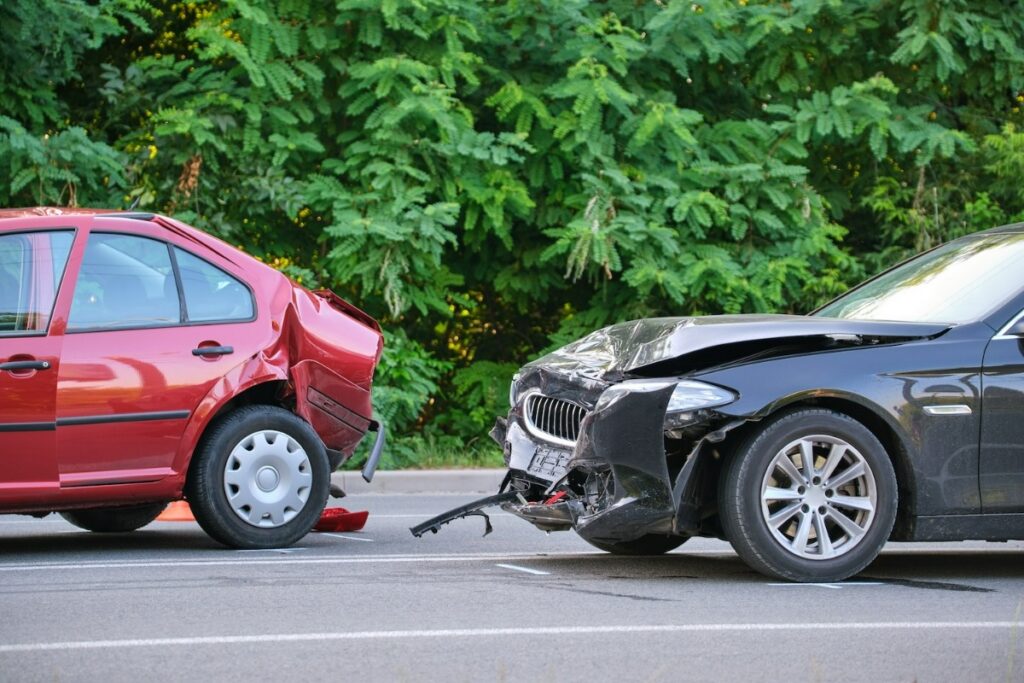

Car accidents can happen in an instant, but the physical effects can linger for weeks, months, or even years if not properly addressed. Whether you’ve been in a fender bender on Connecticut Avenue or a more serious collision on the Beltway, understanding your treatment options is crucial for your recovery. At Friendship Heights Chiropractic in Washington, DC, we see many patients who are dealing with the aftermath of motor vehicle accidents, and we’re here to help you understand what chiropractic care can offer during this challenging time.
If you’ve recently been in a car accident, you might be experiencing pain, stiffness, headaches, or other symptoms that are affecting your daily life. Even minor accidents can cause significant musculoskeletal injuries that don’t always show up immediately. This article will walk you through the most common chiropractic treatments available after a car accident, what to expect during your recovery, and how conservative care can help you heal naturally without relying solely on pain medications or invasive procedures.
What Are Common Chiropractic Treatments After a Car Accident?
Common chiropractic treatments after a car accident include spinal adjustments to restore proper alignment, soft tissue therapy to address muscle injuries, therapeutic exercises to rebuild strength and flexibility, and various modalities like cold laser therapy or electrical muscle stimulation to reduce inflammation and promote healing. These non-invasive approaches focus on addressing the root cause of pain rather than just masking symptoms.
Table of Contents
- Common Car Accident Injuries Treated by Chiropractors
- Spinal Adjustments and Manipulation
- Soft Tissue Therapy and Muscle Work
- Therapeutic Exercises and Rehabilitation
- Additional Treatment Modalities
- What to Expect: Treatment Timeline and Recovery
- Why Choose Chiropractic Care After an Accident
- When to See a Chiropractor After an Accident
- Myths vs. Facts About Post-Accident Chiropractic Care
Common Car Accident Injuries Treated by Chiropractors
The sudden force of a car accident creates rapid acceleration and deceleration that your body simply isn’t designed to handle. Even at relatively low speeds, the impact can cause your head to whip forward and backward, your torso to twist against the seatbelt, and your entire musculoskeletal system to absorb tremendous forces in a fraction of a second.
Here in Washington, DC, we commonly see patients at Friendship Heights Chiropractic who have sustained whiplash injuries, which affect the soft tissues and joints of the neck. Whiplash occurs when the head is suddenly jerked beyond its normal range of motion, straining muscles, ligaments, and sometimes even irritating the nerves that exit the spine. Symptoms can include neck pain, stiffness, headaches that radiate from the base of the skull, dizziness, and even difficulty concentrating.
Beyond whiplash, many accident victims experience lower back injuries from the impact forces transmitted through the seat and pelvis. The lumbar spine is particularly vulnerable during rear-end collisions. Shoulder and mid-back pain are also common, especially if you were bracing against the steering wheel or tensing up in anticipation of impact. Some patients develop headaches that stem from cervical spine dysfunction or muscle tension in the neck and upper shoulders.
One important thing to understand is that pain doesn’t always appear immediately after an accident. The adrenaline rush and shock your body experiences can mask symptoms for hours or even days. This is why many chiropractors, including our team in Washington, DC, recommend getting evaluated soon after an accident even if you feel relatively okay. Early intervention often leads to better outcomes and can prevent chronic problems from developing down the road.
Spinal Adjustments and Manipulation
Spinal adjustments form the cornerstone of chiropractic care after a car accident. When your body experiences trauma from a collision, the vertebrae in your spine can shift out of their normal position or develop restricted movement patterns. These misalignments—sometimes called subluxations in chiropractic terminology—can interfere with normal joint mechanics, create muscle imbalances, and potentially irritate nearby nerves.
A chiropractic adjustment involves applying controlled, specific force to joints that have become restricted or misaligned. The goal is to restore proper motion and alignment, which helps reduce pain, improve function, and allow your body’s natural healing processes to work more effectively. Research has shown that spinal manipulation can be effective for reducing pain and improving mobility in patients with neck pain and lower back pain, both common after motor vehicle accidents.
At Friendship Heights Chiropractic, adjustments are tailored to each patient’s specific injuries and comfort level. After a car accident, your tissues may be inflamed and sensitive, so adjustments are often performed more gently initially, with techniques adapted to your current condition. Some patients hear a popping sound during an adjustment—this is simply gas bubbles releasing from the joint fluid and is completely normal and harmless.
The adjustment technique used depends on several factors: the location of your injury, the severity of your symptoms, your body type, and your comfort level. For neck injuries, techniques might include gentle cervical mobilization or specific upper cervical adjustments. For lower back problems, side-posture adjustments or drop-table techniques might be used. The key is that treatment is individualized rather than following a one-size-fits-all approach.
It’s important to understand that spinal adjustments are not about “cracking your back” randomly. They’re precise interventions targeting specific joints that have lost normal function. When performed by a licensed chiropractor, adjustments are remarkably safe and can provide significant relief for post-accident pain and stiffness.
Soft Tissue Therapy and Muscle Work
While spinal adjustments address joint mechanics, soft tissue therapy focuses on the muscles, ligaments, and tendons that were strained or damaged during the accident. The sudden forces of a collision cause muscles to contract violently in an attempt to protect your body. This can lead to muscle strains, trigger points (those painful knots you can feel in the muscle), adhesions, and general inflammation throughout the soft tissues.
Soft tissue therapy encompasses several different techniques. Manual therapy might include hands-on massage-like techniques that help break up adhesions, improve circulation, and reduce muscle spasm. Trigger point therapy targets those specific tender points in muscles that refer pain to other areas. Myofascial release addresses the connective tissue that surrounds muscles, which can become tight and restricted after trauma.
Many patients at our Washington, DC practice benefit from instrument-assisted soft tissue mobilization, where specialized tools are used to break down scar tissue and fascial restrictions more effectively than hands alone. This technique can be particularly helpful for stubborn areas of tension that develop after car accidents. While it may cause some temporary discomfort, most patients report feeling significantly better afterward as circulation improves and restrictions release.
Active Release Technique (ART) is another approach some chiropractors use, where specific movements are combined with soft tissue work to address shortened muscles and entrapped nerves. The Graston Technique uses stainless steel instruments to detect and treat areas of scar tissue or chronic inflammation.
The goal of all these soft tissue approaches is the same: to restore normal muscle function, reduce pain, improve flexibility, and prevent the development of chronic tension patterns that can persist long after the accident. Soft tissue work is almost always combined with other treatments rather than used in isolation, creating a comprehensive approach to your recovery.
Therapeutic Exercises and Rehabilitation
While passive treatments like adjustments and soft tissue work are important, active rehabilitation through therapeutic exercise is equally crucial for complete recovery after a car accident. Your muscles, joints, and nervous system need to relearn proper movement patterns and rebuild strength that may have been lost during your recovery period.
Therapeutic exercises prescribed after a car accident typically progress through several phases. Initially, the focus is on gentle range-of-motion exercises to prevent stiffness and maintain joint mobility. These might include simple neck rotations, shoulder circles, or gentle spinal movements performed within your comfort zone. The goal isn’t to push through pain but to maintain movement and prevent the formation of restrictive scar tissue.
As healing progresses, strengthening exercises are introduced to rebuild the muscles that support your spine and injured areas. For neck injuries, this might include isometric exercises where you gently resist pressure without moving, helping to rebuild deep cervical muscles. For lower back injuries, core stabilization exercises help restore the supportive musculature around your lumbar spine. These exercises are typically started in the office under supervision and then continued at home.
Proprioceptive training is another important component that often gets overlooked. Car accidents can disrupt your body’s sense of position and movement (proprioception), which can affect balance and coordination. Simple exercises on balance boards or specific movement patterns can help retrain this system. This is particularly important for preventing re-injury and restoring confidence in your body’s abilities.
At Friendship Heights Chiropractic, we provide our Washington, DC patients with clear instructions and demonstrations for home exercises. Consistency is key—doing your exercises regularly, even when you start feeling better, helps ensure long-term recovery and reduces the risk of chronic problems developing. We also adjust your exercise program as you progress, ensuring you’re always being appropriately challenged without being pushed too hard too soon.
Additional Treatment Modalities
Beyond adjustments, soft tissue work, and exercises, chiropractors have access to various therapeutic modalities that can enhance healing and reduce pain after a car accident. These treatments work through different mechanisms to address inflammation, promote tissue repair, and provide pain relief.
Cold laser therapy, also known as low-level laser therapy (LLLT), uses specific wavelengths of light to stimulate cellular healing and reduce inflammation at a deep tissue level. Research suggests this non-invasive treatment can help reduce pain and accelerate tissue repair. It’s completely painless—most patients don’t feel anything during treatment—and sessions typically last just a few minutes. This can be particularly helpful in the early stages after an accident when inflammation is at its peak.
Electrical muscle stimulation (EMS) or transcutaneous electrical nerve stimulation (TENS) uses mild electrical currents to reduce muscle spasm, decrease pain signals, and improve circulation. The sensation is typically described as a gentle tingling or pulsing. This modality can provide immediate relief for muscle tension and can be especially useful before performing adjustments or manual therapy.
Ultrasound therapy uses sound waves to create deep heat in tissues, which increases blood flow, reduces muscle spasm, and helps break down scar tissue formation. It’s often used for deeper injuries that are harder to reach with surface heat application. Therapeutic ultrasound has been used in rehabilitation settings for decades and can be a valuable addition to post-accident care.
Ice and heat therapy, while simple, remain important components of treatment. Ice is typically recommended in the acute phase (first 48-72 hours) to reduce inflammation and numb pain. Heat therapy becomes more appropriate later to relax muscles, improve flexibility, and increase blood flow to healing tissues. Your chiropractor will give you specific guidance on when and how to use each.
Mechanical traction may be used for certain neck or back injuries, where gentle pulling force is applied to decompress spinal joints and relieve pressure on irritated nerves. This is typically done with specialized equipment and carefully controlled force. Some patients find significant relief from traction, especially when nerve compression is contributing to their symptoms.

What to Expect: Treatment Timeline and Recovery
One of the most common questions patients ask at Friendship Heights Chiropractic is: “How long will my recovery take?” The honest answer is that it varies significantly based on several factors, but understanding the typical progression can help set realistic expectations.
In the acute phase (first 1-2 weeks after the accident), treatment is typically more frequent—often 2-3 times per week or even more for severe injuries. The focus during this phase is on reducing pain, controlling inflammation, and preventing the development of chronic dysfunction. You might receive gentler adjustments, more soft tissue work, and supportive modalities. During this time, you’re also learning home care strategies and beginning very gentle exercises.
The subacute phase (weeks 2-6) is when most patients start seeing significant improvement. Treatment frequency often decreases to 2 times weekly as your body begins healing more effectively. Exercises become more active, strengthening work is introduced, and adjustments may become more specific and assertive as tissues heal and tolerate more intervention.
The rehabilitation phase (weeks 6-12 and beyond) focuses on restoring full function, preventing recurrence, and addressing any lingering issues. Treatment might occur weekly or even less frequently as you become more independent in your recovery. The emphasis shifts heavily toward exercise and activity modification, with manual treatment providing periodic tune-ups.
Some patients recover within 4-6 weeks, while others with more severe injuries may need several months of care. Factors affecting recovery time include the severity of the accident, your age and overall health, previous injuries to the same area, how quickly you started treatment, and your compliance with home care recommendations. Research has shown that early intervention and consistent treatment lead to better outcomes and shorter recovery times.
It’s also worth noting that even after your main symptoms resolve, completing your full rehabilitation program is important. Many patients feel tempted to stop treatment once the pain subsides, but this can leave you vulnerable to re-injury or chronic problems. Think of it like completing a full course of antibiotics—stopping early might feel fine in the moment but can lead to problems returning.
| Recovery Phase | Typical Duration | Treatment Focus | Frequency |
|---|---|---|---|
| Acute | 0-2 weeks | Pain reduction, inflammation control, gentle mobility | 3-4 times per week |
| Subacute | 2-6 weeks | Restoring range of motion, beginning strengthening, tissue healing | 2-3 times per week |
| Rehabilitation | 6-12+ weeks | Full function restoration, injury prevention, independence | 1-2 times per week, then as needed |
| Maintenance | Ongoing | Preventing recurrence, optimizing function | Monthly or as needed |
Why Choose Chiropractic Care After an Accident
After a car accident, you have several options for care, so you might be wondering why chiropractic treatment is worth considering. There are several compelling reasons why many accident victims here in Washington, DC choose to include chiropractic care as part of their recovery strategy.
First and foremost, chiropractic care is conservative and non-invasive. It doesn’t rely on prescription pain medications, which can carry risks of side effects and dependency. Instead, it works with your body’s natural healing mechanisms to address the underlying causes of pain rather than just masking symptoms. This approach is consistent with current medical guidelines that recommend conservative care as a first-line treatment for many musculoskeletal conditions.
Chiropractic treatment is also individualized. At Friendship Heights Chiropractic, we don’t use a cookie-cutter approach. Each patient receives a thorough examination to identify their specific injuries, and treatment is tailored to their unique needs, goals, and comfort level. What works for one whiplash patient might not be ideal for another, even if their injuries seem similar on the surface.
Another advantage is that chiropractic care addresses multiple aspects of injury simultaneously. You’re not just getting one type of treatment—you’re receiving a comprehensive program that might include spinal adjustments, soft tissue therapy, rehabilitation exercises, modalities, and education about lifestyle factors that affect healing. This multimodal approach has been shown to be effective for many types of musculoskeletal injuries.
Evidence also supports chiropractic care for common accident injuries. Research published in respected journals has shown that spinal manipulation and manual therapy can be effective for neck pain, lower back pain, and headaches—all common after motor vehicle accidents. Organizations like the American College of Physicians have included spinal manipulation in their clinical practice guidelines for managing back pain.
Chiropractic care also emphasizes patient education and active participation in recovery. You’re not just a passive recipient of treatment—you’re learning about your injury, understanding how to support your healing, and gaining tools you can use long-term to maintain your health. This empowerment can be particularly valuable for patients who feel overwhelmed by their accident and uncertain about their recovery.
When to See a Chiropractor After an Accident
Timing matters when it comes to seeking care after a car accident. While some injuries are immediately obvious, others can take hours or days to become apparent. Understanding when to seek chiropractic evaluation can make a significant difference in your recovery trajectory.
Ideally, you should be evaluated by a healthcare provider within the first few days after any car accident, even if you feel relatively fine. As mentioned earlier, adrenaline and shock can mask pain and other symptoms in the immediate aftermath of a collision. Patients often tell us at Friendship Heights Chiropractic that they felt okay right after the accident but started experiencing significant pain 24-48 hours later.
You should definitely seek chiropractic evaluation if you’re experiencing neck pain or stiffness, even if it’s mild. This could indicate soft tissue injury that will benefit from early intervention. Headaches that develop after an accident, particularly those that seem to radiate from the base of your skull, are another indicator that you should be evaluated. Mid-back or lower back pain, shoulder discomfort, or numbness and tingling in your arms or legs are all signs that your musculoskeletal system was affected by the accident.
Even more subtle symptoms warrant attention. Some patients notice reduced range of motion—they can’t turn their head as far or bend as easily. Others experience muscle tightness or spasm, difficulty concentrating, dizziness, or unusual fatigue. While these symptoms might seem minor, they can indicate underlying dysfunction that will worsen without proper treatment.
That said, there are certain red flags that require immediate medical attention before or instead of chiropractic care. Severe or progressively worsening headaches, loss of consciousness (even briefly), confusion or cognitive changes, chest pain or difficulty breathing, severe abdominal pain, or obvious fractures or dislocations all warrant emergency medical evaluation. Weakness in your arms or legs, loss of bowel or bladder control, or severe neurological symptoms should also be evaluated immediately by emergency medical services.
If you’ve already seen a medical doctor and received imaging or other diagnostic tests, bringing those results to your chiropractic appointment is helpful. This ensures coordinated care and helps your chiropractor understand the full picture of your injuries. Chiropractic care can often work alongside medical treatment, with each approach complementing the other.
In Washington, DC, we understand that navigating insurance and legal considerations after an accident can be complicated. Many patients benefit from establishing chiropractic care early, as this creates documentation of your injuries and treatment that can be important for insurance claims or legal proceedings if necessary. Your chiropractor can provide records of your visits, progress notes, and documentation of your condition.
Myths vs. Facts About Post-Accident Chiropractic Care
Myth: You Should Wait to See If Pain Develops Before Seeking Treatment
Fact: Early intervention typically leads to better outcomes and faster recovery. Waiting can allow inflammation to increase, scar tissue to form in problematic patterns, and acute injuries to become chronic problems. Being evaluated soon after an accident, even if pain is minimal, allows for early identification and treatment of injuries before they become more serious.
Myth: Chiropractic Adjustments Are Dangerous After a Car Accident
Fact: When performed by a licensed chiropractor after appropriate examination and imaging (if needed), adjustments are safe and specifically adapted to your post-accident condition. Chiropractors are trained to modify techniques based on injury severity, inflammation levels, and patient tolerance. Serious complications from chiropractic manipulation are extremely rare, particularly when appropriate precautions are taken.
Myth: If You Can Walk Away From an Accident, You’re Fine
Fact: Many significant soft tissue injuries don’t prevent immediate mobility but can cause substantial pain and dysfunction in the days and weeks following an accident. Whiplash, muscle strains, and joint dysfunction often don’t fully manifest until inflammation develops and the initial shock wears off. Being able to walk doesn’t mean your musculoskeletal system escaped injury.
Myth: Pain Medication Is Just as Effective as Chiropractic Care
Fact: While pain medication can provide temporary symptom relief, it doesn’t address the underlying mechanical dysfunction causing your pain. Chiropractic care aims to restore normal joint function, release muscle tension, and correct movement patterns—addressing root causes rather than just masking symptoms. Many patients find they need less medication or can avoid it entirely when receiving appropriate chiropractic treatment.
Myth: Once You Start Chiropractic Care, You Have to Go Forever
Fact: The goal of post-accident chiropractic care is to help you recover and return to normal function. Treatment plans have specific endpoints based on your progress and goals. While some patients choose to continue periodic maintenance care after recovery, there’s no requirement to do so. Your chiropractor should be working toward your independence, not creating permanent dependence on treatment.
Moving Forward With Your Recovery
Recovering from a car accident can feel overwhelming, especially when you’re dealing with pain, navigating insurance issues, and trying to maintain your daily responsibilities. At Friendship Heights Chiropractic here in Washington, DC, we understand these challenges and are committed to helping our patients heal effectively and completely.
The treatments we’ve discussed—from spinal adjustments and soft tissue therapy to therapeutic exercises and supportive modalities—represent a comprehensive, conservative approach to helping your body heal naturally after trauma. Each treatment serves a specific purpose in your recovery, and when combined appropriately, they can help you regain function, reduce pain, and prevent long-term complications.
Remember that every person’s recovery is unique. What matters most is that you receive appropriate evaluation, follow through with your treatment plan, stay consistent with home care recommendations, and communicate openly with your healthcare providers about your progress and concerns. Your active participation in your recovery makes a tremendous difference in your outcomes.
If you’ve been in a car accident recently, don’t assume that minor symptoms will simply resolve on their own. Take the step of getting evaluated so you understand what’s happening in your body and what you can do to support optimal healing. Our team at Friendship Heights Chiropractic in Washington, DC is here to provide the expert, compassionate care you need during this challenging time.
Frequently Asked Questions
How soon after a car accident should I see a chiropractor?
Ideally, you should be evaluated within the first 72 hours after an accident, even if your pain seems mild. Early assessment and treatment can prevent acute injuries from becoming chronic problems and typically leads to faster, more complete recovery.
Will chiropractic treatment hurt after my accident?
Most chiropractic treatments are well-tolerated, even when you’re already experiencing pain. Your chiropractor will adjust techniques based on your comfort level and the severity of your injuries. Some temporary soreness after treatment is normal as your body adjusts, but treatment shouldn’t cause severe pain.
Can I see a chiropractor if I’m also being treated by a medical doctor?
Absolutely. Chiropractic care often works well alongside medical treatment. Many patients benefit from a coordinated approach where medical care addresses certain aspects of injury while chiropractic focuses on musculoskeletal recovery. Be sure to inform all your healthcare providers about your treatments.
Does insurance cover chiropractic care after a car accident?
Many auto insurance policies include coverage for chiropractic treatment through personal injury protection (PIP) or medical payments coverage. Health insurance may also cover chiropractic care. Each policy is different, so it’s important to contact your insurance provider to understand your specific coverage.
How long does recovery typically take with chiropractic treatment?
Recovery time varies based on injury severity, age, overall health, and how quickly treatment begins. Minor injuries might resolve in 4-6 weeks, while more significant trauma may require 3-6 months of care. Your chiropractor can provide a more specific timeline after evaluating your individual situation.
What if I wasn’t in pain immediately after the accident?
Delayed pain is extremely common after car accidents due to adrenaline and the body’s stress response. Symptoms often don’t fully manifest until 24-72 hours after the collision. This delayed onset doesn’t mean your injuries are less serious or less worthy of treatment.
TL;DR – Key Takeaways
- Common chiropractic treatments after car accidents include spinal adjustments, soft tissue therapy, therapeutic exercises, and various healing modalities like cold laser therapy and electrical stimulation.
- Early intervention typically leads to better outcomes—don’t wait for pain to worsen before seeking evaluation.
- Recovery is typically divided into acute (0-2 weeks), subacute (2-6 weeks), and rehabilitation phases (6-12+ weeks), with treatment frequency and focus changing as you heal.
- Chiropractic care offers a non-invasive, drug-free approach that addresses the root causes of pain rather than just masking symptoms.
- Red flags like severe neurological symptoms, loss of consciousness, or progressive weakness require immediate emergency medical attention before chiropractic evaluation.