

If you’ve ever felt that nagging numbness, tingling, or weakness in your hand and wrist that just won’t go away, you’re not alone. Carpal tunnel syndrome is one of the most common nerve-related conditions affecting working adults today — and here in Washington, DC, many of our patients at Friendship Heights Chiropractic come in frustrated, uncomfortable, and unsure where to turn. The good news is that you don’t have to jump straight to surgery or rely on medications to find relief. Chiropractic care offers a thoughtful, non-invasive approach that addresses the root cause of your discomfort, not just the symptoms.
What Is Carpal Tunnel Syndrome?
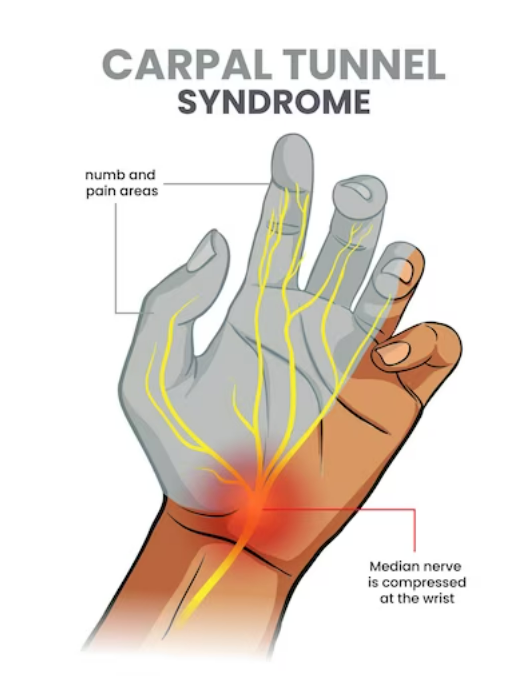
Carpal tunnel syndrome occurs when the median nerve — which runs through a narrow passageway in your wrist called the carpal tunnel — becomes compressed or irritated. This compression leads to pain, tingling, numbness, and weakness in the hand and fingers. It can affect one or both hands and tends to worsen over time if left unaddressed.
Understanding Carpal Tunnel Syndrome
To understand why carpal tunnel syndrome is so disruptive, it helps to picture the anatomy involved. Your wrist contains a small, rigid channel — the carpal tunnel — made up of bones on three sides and a tough band of connective tissue called the transverse carpal ligament on the other side. Running through this tunnel is the median nerve, along with several tendons that help you bend your fingers.
When the space inside this tunnel narrows — whether from inflammation, swelling, repetitive strain, or structural changes — the median nerve gets squeezed. That compression is what triggers the familiar sensations: tingling in the thumb, index, middle, and part of the ring finger, a weak grip, and sometimes a deep aching pain that radiates up the forearm.
What surprises many patients is that carpal tunnel syndrome isn’t always just a wrist problem. The median nerve originates in the cervical spine — your neck — and travels all the way down through the shoulder, elbow, forearm, and wrist. That means nerve irritation or misalignment at any point along this pathway can contribute to or worsen carpal tunnel symptoms. This is exactly why Dr. Andrew Hancock at Friendship Heights Chiropractic takes a full-body, whole-spine approach to evaluating and addressing carpal tunnel syndrome.
Common Causes and Risk Factors
Carpal tunnel syndrome rarely develops overnight. It typically builds gradually over time as a result of repeated stress, structural changes, or underlying health factors. Here in Washington, DC, we see patients from all walks of life dealing with this condition — from office professionals who spend long hours at a keyboard, to tradespeople performing repetitive hand tasks, to new mothers who develop it during or after pregnancy.
Repetitive wrist and hand movements are among the most well-known contributors. When the same motions are performed over and over — typing, clicking a mouse, operating machinery, or even playing an instrument — the tendons inside the carpal tunnel can become inflamed and swollen, crowding out the median nerve.
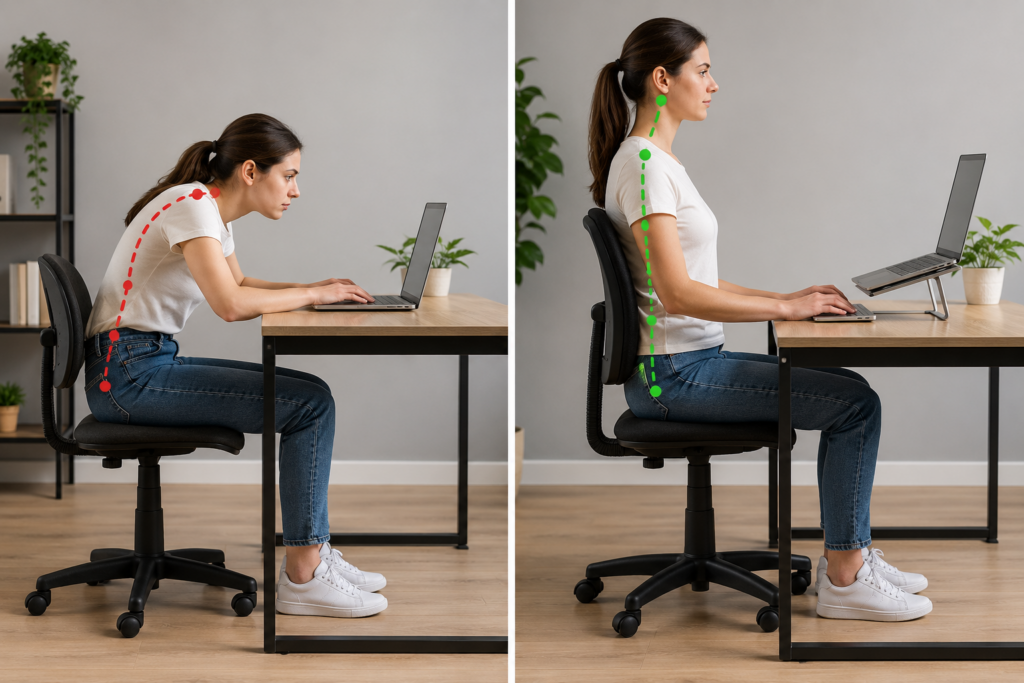
Poor ergonomics also play a major role. Working with your wrists bent at awkward angles for extended periods places continuous stress on the structures inside the tunnel. This is especially relevant in today’s work-from-home culture, where many people are using makeshift workstation setups that weren’t designed with wrist health in mind.
Other contributing factors include hormonal changes (which can cause fluid retention and swelling around the nerve), thyroid dysfunction, diabetes, rheumatoid arthritis, and even poor posture affecting the neck and upper back. When the cervical spine is misaligned or compressed, it can sensitize the entire nerve pathway — making the wrist and hand more vulnerable to symptoms even with minor physical stress.
Signs and Symptoms to Watch For
Recognizing carpal tunnel syndrome early gives you a much better chance of managing it conservatively, without surgical intervention. The classic hallmark is numbness and tingling in the thumb, index finger, middle finger, and sometimes the ring finger. This sensation often shows up at night or early in the morning, particularly after sleeping with your wrists curled inward.
Many patients describe feeling like their hand has “fallen asleep” — a pins-and-needles feeling that may wake them from sleep. As the condition progresses, this tingling can become more persistent throughout the day, especially during activities that require gripping or holding something for extended periods, like driving, reading, or talking on the phone.
Weakness in the hand is another common sign. You might notice difficulty gripping objects, dropping things unexpectedly, or struggling with fine motor tasks like buttoning a shirt or opening jars. In more advanced cases, there may be visible thinning or wasting of the muscle at the base of the thumb — a sign that the nerve has been compressed for a significant period of time.
Pain can also travel upward from the wrist into the forearm, and sometimes even into the shoulder. This is a clue that the problem involves the nerve pathway more broadly — not just the wrist itself. When Dr. Andrew Hancock evaluates a patient with these complaints at Friendship Heights Chiropractic, a thorough assessment looks at the whole chain, from the neck down to the fingertips.
How Chiropractic Care Fits Into Your Recovery
Chiropractic care is widely recognized as a conservative, non-invasive option for musculoskeletal and nerve-related conditions, and carpal tunnel syndrome is no exception. Evidence from organizations including the American Chiropractic Association and the National Center for Complementary and Integrative Health suggests that chiropractic approaches can be a valuable part of managing carpal tunnel symptoms — particularly when intervention begins early.
So what does chiropractic care for carpal tunnel actually look like? At Friendship Heights Chiropractic, Dr. Andrew Hancock begins with a comprehensive evaluation that includes your health history, posture assessment, and an examination of the cervical spine, shoulder, elbow, and wrist. Because the median nerve travels such a long distance, it’s important to identify whether the source of compression is truly at the wrist or whether it’s originating — or being compounded — elsewhere along the nerve’s path.
Chiropractic adjustments to the wrist and hand can help restore normal joint mechanics, reduce localized inflammation, and take pressure off the surrounding soft tissues. When cervical spine involvement is identified, adjustments to the neck may also be incorporated to address nerve irritation at the source. Research suggests that this kind of full-pathway approach can be more effective than treating the wrist in isolation.
In addition to spinal and extremity adjustments, chiropractic care may include soft tissue therapies to address muscle tension in the forearm, wrist, and shoulder — all of which can contribute to nerve compression. Ergonomic guidance is also a central part of care at Friendship Heights Chiropractic, ensuring that the habits and workstation setup contributing to the problem are addressed alongside hands-on treatment. The goal is not just to reduce symptoms, but to help you understand why they developed and how to prevent them from returning.
Practical Tips for Daily Relief
While working with a chiropractor is an important step, there are several things you can do on your own to support your recovery and reduce daily irritation to the carpal tunnel area. These practical habits won’t replace professional care, but they can meaningfully reduce the strain on your wrist and median nerve between visits.
Pay close attention to your wrist position throughout the day. Keeping your wrists in a neutral, flat position — not bent upward or downward — significantly reduces pressure inside the carpal tunnel. If you type regularly, consider adjusting your keyboard height so your wrists remain level with or slightly below your elbows. A wrist rest can be helpful as a resting tool, though it shouldn’t be used while actively typing.
Take regular breaks from repetitive hand tasks. Every 30–45 minutes, pause, gently extend and flex your fingers, and roll your wrists slowly in both directions. These simple movements promote circulation and help prevent the buildup of inflammation in the tunnel. Wearing a wrist splint at night — which holds your wrist in a neutral position while you sleep — is another option many patients find helpful for reducing nighttime symptoms.
Posture matters more than most people realize. Slouching at your desk rounds your shoulders and puts tension on the muscles and nerves running through your neck and into your arms. Sitting tall with your shoulders relaxed and your screen at eye level can reduce overall strain on the entire arm and nerve pathway. The team at Friendship Heights Chiropractic can help you evaluate your workstation and make specific recommendations tailored to your daily routine.
When to See a Chiropractor
If you’ve been experiencing numbness, tingling, or hand weakness that has lasted more than a week or two, it’s a good idea to have it professionally evaluated. Carpal tunnel syndrome tends to be progressive — meaning it generally doesn’t get better on its own without some form of intervention. Catching it early gives you the best opportunity to address it conservatively.
You should also consider scheduling an evaluation if your symptoms are waking you up at night, interfering with your ability to work or perform daily tasks, or if you’ve noticed weakness or clumsiness in your hand that wasn’t there before. These are signs that the median nerve is under meaningful stress and that prompt attention is warranted.
There are a few situations where medical referral is the right first step. If you experience sudden, severe loss of grip strength, signs of infection around the wrist, symptoms following a traumatic injury, or significant muscle wasting at the base of the thumb, these should be evaluated by a medical physician promptly. Dr. Andrew Hancock and the team at Friendship Heights Chiropractic are committed to making sure every patient receives the right level of care — and that includes knowing when to refer out.

Carpal Tunnel Triggers and Symptoms at a Glance
|
Common Trigger |
How It Contributes |
Associated Symptom |
|---|---|---|
|
Repetitive typing or clicking |
Causes tendon inflammation inside the carpal tunnel |
Tingling in fingers, hand fatigue |
|
Bent wrist posture during sleep |
Narrows the carpal tunnel passageway |
Nighttime numbness, “asleep” hand sensation |
|
Poor desk ergonomics |
Sustained wrist extension increases nerve pressure |
Daytime tingling, wrist aching |
|
Cervical spine misalignment |
Sensitizes the median nerve pathway from the neck |
Radiating pain into the forearm and hand |
|
Fluid retention (e.g., pregnancy, thyroid) |
Increases swelling within the tunnel |
Bilateral numbness, pressure sensation in wrist |
|
Repetitive gripping or tool use |
Overloads flexor tendons and surrounding tissue |
Weak grip, dropping objects |
Myths vs. Facts About Carpal Tunnel Syndrome
Myth: Carpal tunnel syndrome only affects people who type all day.
Fact: While keyboard use is a well-known risk factor, carpal tunnel syndrome affects a wide range of people — including construction workers, musicians, cashiers, and even new parents. Any activity that involves repetitive wrist or hand movement, prolonged gripping, or awkward wrist positions can contribute to median nerve compression.
Myth: Surgery is the only real solution.
Fact: Surgery is one option for severe or long-standing cases, but many people find meaningful relief through conservative care. Evidence indicates that chiropractic adjustments, soft tissue therapy, ergonomic modifications, and splinting can be highly effective — especially when treatment begins before the condition becomes advanced. Many patients successfully manage their symptoms without surgical intervention.
Myth: If your wrist doesn’t hurt, it’s not carpal tunnel.
Fact: Carpal tunnel syndrome doesn’t always produce wrist pain in the traditional sense. The most common early symptoms are numbness and tingling in the fingers — which many people mistakenly attribute to poor circulation or sleeping in an awkward position. The absence of acute wrist pain does not rule out median nerve compression.
Myth: Carpal tunnel syndrome is purely a wrist problem.
Fact: The median nerve originates in the cervical spine and travels through multiple regions before reaching the wrist. Dysfunction or misalignment in the neck, shoulder, or elbow can contribute to carpal tunnel-type symptoms — a phenomenon sometimes called “double crush syndrome.” A thorough chiropractic evaluation accounts for the entire nerve pathway, not just the wrist.
Myth: Resting your hands completely is the best treatment.
Fact: While reducing aggravating activities is important, complete rest is not the most effective long-term strategy. Gentle movement, stretching, joint mobilization, and addressing the underlying structural contributors tend to produce better outcomes. A guided care plan — like the kind Dr. Andrew Hancock provides at Friendship Heights Chiropractic — helps restore function while protecting the nerve from further stress.
Final Thoughts from Friendship Heights Chiropractic
Living with carpal tunnel syndrome can be exhausting — especially when it interferes with your work, your sleep, and the everyday moments you take for granted. But here’s what we want you to know: you have options, and conservative care can make a real difference.
At Friendship Heights Chiropractic in Washington, DC, Dr. Andrew Hancock takes the time to understand the full picture of your health — not just the symptoms in your hand. Whether your carpal tunnel symptoms stem from a demanding workstation setup, a cervical spine issue, or years of repetitive hand use, the goal is always the same: to help you move through life more comfortably, with less pain and more confidence in your body.
Washington, DC is a city full of hardworking, driven people — and we know that taking time away from your routine to address a health concern isn’t always easy. That’s why our approach at Friendship Heights Chiropractic is focused on practical, meaningful care that fits into real life. If you’ve been putting off addressing your wrist or hand symptoms, consider this your gentle nudge to take that first step. Relief is possible, and it may be closer than you think.
Frequently Asked Questions
Can a chiropractor actually treat carpal tunnel syndrome?
Yes — chiropractic care is a recognized conservative approach for carpal tunnel syndrome. Adjustments to the wrist, hand, and cervical spine, combined with soft tissue therapy and ergonomic guidance, can help reduce nerve compression and improve function. It’s most effective when initiated early in the course of the condition.
How long does it take to see improvement with chiropractic care for carpal tunnel?
The timeline varies depending on the severity of nerve compression and how long symptoms have been present. Some patients notice improvement within a few weeks of starting care, while more advanced cases may require a longer course of treatment. Dr. Andrew Hancock will give you a realistic picture of what to expect based on your specific evaluation.
Is carpal tunnel syndrome the same as tendinitis?
No — these are different conditions, though they can sometimes occur together. Carpal tunnel syndrome specifically involves compression of the median nerve. Tendinitis refers to inflammation of a tendon. Both can cause wrist and hand pain, which is why a proper evaluation is important for identifying the true source of symptoms.
Should I wear a wrist brace for carpal tunnel syndrome?
A wrist splint worn at night can help reduce symptoms by keeping the wrist in a neutral position and preventing the compression that occurs when the wrist bends during sleep. However, a brace alone doesn’t address the underlying cause of nerve compression. It’s most helpful as part of a broader care plan.
Does carpal tunnel syndrome go away on its own?
In mild cases and with prompt modification of aggravating activities, symptoms can sometimes improve without formal treatment. However, carpal tunnel syndrome tends to be progressive, and leaving it unaddressed increases the risk of worsening nerve damage over time. Early evaluation and conservative care are generally the safer path.
Can poor posture cause carpal tunnel syndrome?
Poor posture — particularly forward head posture and rounded shoulders — can place tension on the nerves traveling from the cervical spine down through the arm. This can sensitize the entire nerve pathway and make the wrist more susceptible to compression symptoms. Addressing posture is often an important part of carpal tunnel care.
TL;DR — Key Takeaways
-
Carpal tunnel syndrome is caused by compression of the median nerve at the wrist, and can be influenced by issues anywhere along the nerve pathway from the neck to the hand.
-
Common causes include repetitive hand use, poor wrist ergonomics, cervical spine misalignment, and certain health conditions like thyroid dysfunction or pregnancy-related fluid retention.
-
Chiropractic care offers a non-invasive approach that may include adjustments to the wrist, hand, and cervical spine, soft tissue therapy, and ergonomic education.
-
Early intervention produces the best outcomes — many people can find meaningful relief without surgery when care begins promptly.
-
Dr. Andrew Hancock at Friendship Heights Chiropractic in Washington, DC takes a whole-body approach to evaluating and managing carpal tunnel syndrome, addressing root causes rather than just symptoms.