

Back Pain in Washington, DC: Causes, Chiropractic Care, and Self-Care Tips
Back pain can make everyday tasks—like getting dressed, sitting at a desk, or walking to the Metro—feel harder than they should. At Friendship Heights Chiropractic here in Washington, DC, we meet people every day who want clear answers, safe relief, and a plan to keep moving. In this guide, you’ll learn the most common causes of back pain, how chiropractic care may help, and practical steps you can take right now to support your spine.
What Is Back Pain?
Back pain is discomfort anywhere from the base of your neck to your tailbone. It can feel sharp, dull, achy, or stiff and may come and go or linger. Most back pain is mechanical—related to joints, muscles, discs, and posture—and responds well to conservative care.
Table of Contents
Why Back Pain Is So Common
Back pain is common because the spine does a lot of work. It supports your body, protects nerves, and helps you move. Long hours sitting, stress, poor sleep, and deconditioning can all add up.
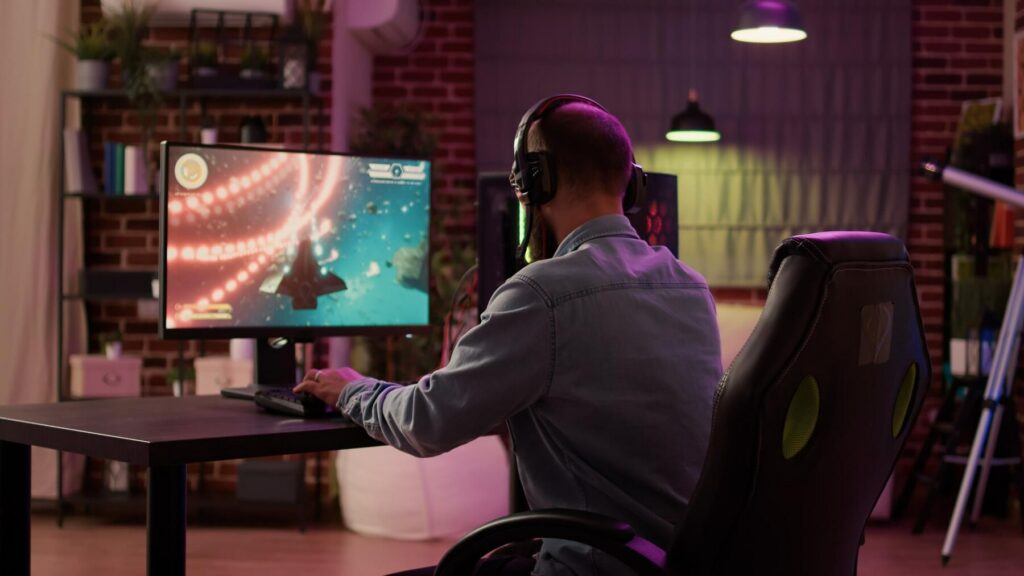
Here in Washington, DC, many people split time between computer work, commuting, and weekend activities. That mix can create stiffness during the week and strains on the weekend. The good news: small, consistent changes make a big difference.
Common Causes of Back Pain
Most back pain stems from a handful of predictable issues. Knowing the “why” helps you choose the right care and avoid setbacks.
| Common Cause | How It Affects the Spine |
|---|---|
| Muscle strain or spasm | Overworked muscles tighten and ache, limiting motion |
| Poor posture/sedentary time | Slumped sitting and long hours reduce joint motion, stressing discs and ligaments |
| Facet joint irritation | Small joints in the spine become stiff or inflamed, causing localized pain |
| Disc-related pain | Annular (disc) strain or herniation can cause central or leg pain |
| Sacroiliac (SI) joint dysfunction | Pelvic joints become irritated, often felt near the dimples of the low back |
| Nerve irritation (sciatica) | Inflamed or compressed nerve roots can cause radiating leg pain, tingling, or weakness |
| Arthritis/spinal stenosis | Age-related changes narrow spaces for nerves, often causing stiffness and walking intolerance |
| Overuse or lifting mechanics | Repetitive bending or lifting with poor technique strains tissues |
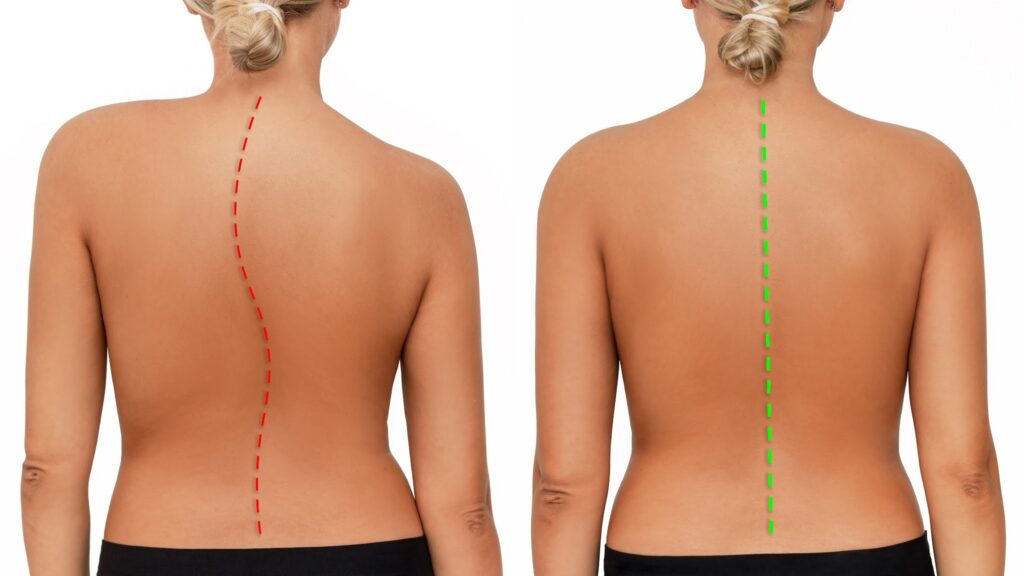
Other contributors can include scoliosis, stress-related muscle tension, pregnancy and postpartum changes, or older injuries that never fully resolved. While these issues can sound intimidating, most are manageable with a thoughtful, conservative plan.
Symptoms That Often Come With Back Pain
Back pain can be localized to one spot or spread. You might notice stiffness after sitting, pain with bending, or discomfort when standing or walking for long periods. Muscle spasms and trigger points are common and can feel like tight knots.
Sciatica is a specific pattern: back or buttock pain that travels down the leg, sometimes with tingling or numbness. It’s a sign of nerve irritation and deserves a careful evaluation. Many cases improve with hands-on care and targeted exercises.
How Chiropractic Care Can Help
Chiropractic care focuses on restoring healthy joint motion, easing muscle tension, and improving the way your body moves. At Friendship Heights Chiropractic, our approach is gentle, personalized, and evidence-informed.
Here’s how care may fit into your recovery:
- Thorough assessment. We start with your story: when the pain started, what worsens it, and what helps. Then we perform an orthopedic and movement exam. If needed, we coordinate imaging or referral.
- Spinal adjustments and mobilization. These techniques aim to improve joint motion and reduce pain. Research suggests that spinal manipulation can help relieve acute, subacute, and chronic low back pain as part of a conservative plan.
- Soft-tissue treatment. Gentle muscle work and myofascial techniques can reduce tightness and improve flexibility, making your exercises more effective.
- Targeted exercise and movement retraining. We’ll teach you simple, progressive exercises to build stability and confidence. Moving well is just as important as moving often.
- Ergonomics and daily habit coaching. Small adjustments to your workstation, commute routine, lifting form, and sleep setup can pay big dividends.
- Co-management when appropriate. Some cases benefit from collaboration with your primary care provider or a specialist. We’re happy to be part of your team.
Evidence notes: Major clinical guidelines recommend noninvasive, conservative care—including spinal manipulation, exercise, and education—for many types of low back pain. See the American College of Physicians guideline summary (ACP), the UK’s NICE guidance on low back pain and sciatica, and the National Institutes of Health’s overview from NCCIH.
What to Expect at Our Office
Most new patients are relieved to find the first visit is low-stress. We’ll listen, examine, and discuss what we find in plain language. You’ll get a clear plan customized to your goals and comfort level.
Treatment often starts on day one if it’s safe to do so. We’ll show you how to modify activities without stopping life, and we’ll outline home strategies to speed progress. Your care plan adapts as you improve.
Practical Self-Care Tips
- Change positions every 30–45 minutes; stand, walk, or stretch your hips and upper back.
- Set up your workstation so the screen is at eye level, feet are supported, and the chair supports your lower back.
- Hinge at the hips for bending and lifting; keep the load close and avoid twisting.
- Walk daily, even for 10–15 minutes; gradual steps add up.
- Use a pillow between the knees when side-sleeping, or under the knees when on your back.
- Gentle heat can relax muscles; brief ice can calm a fresh strain. Choose what feels best.
- Breathe deeply and manage stress; tension often lives in our backs.
When to See a Chiropractor in Washington, DC
If your back pain lasts more than a week or two, keeps returning, or limits your work, sleep, or daily activities, it’s reasonable to get it checked. Early, conservative care can shorten recovery and help you feel confident moving again. Consider a visit after a lifting strain, a desk-bound flare-up, or the start of sciatica symptoms like leg pain or tingling.
Some situations require urgent medical care instead of chiropractic. Seek immediate attention for severe trauma; progressive leg weakness; loss of bowel or bladder control; numbness in the groin or saddle area; unexplained fever with back pain; or sudden, severe pain with a history of cancer, osteoporosis, or steroid use. Chiropractic isn’t emergency care, and we’ll refer you promptly when medical evaluation is needed.
Myths and Facts About Back Pain and Chiropractic
- Myth: Rest is the best cure for back pain. Fact: Brief rest can help a fresh strain, but gentle movement usually supports faster recovery.
- Myth: If you have back pain, you need an MRI right away. Fact: Most cases don’t need imaging at first. A careful history and exam usually guide safe, effective care.
- Myth: Chiropractic is only about “cracking.” Fact: Care includes assessment, education, joint and soft-tissue techniques, and exercise. It’s a comprehensive, conservative approach.
- Myth: Back pain means something is permanently damaged. Fact: Most back pain is mechanical and improves with the right plan and time.
A Friendly Closing for Our DC Neighbors
Whether you’re working downtown, commuting on the Red Line, or chasing kids at a local park, your back supports everything you do. If you’re in Washington, DC and looking for clear answers and conservative care, we’re here to help at Friendship Heights Chiropractic. Questions are always welcome—our goal is to help you move with confidence.
FAQs
What are the most common causes of back pain?
Muscle strain, poor posture, facet or SI joint irritation, disc-related pain, and age-related changes like arthritis are frequent culprits. Most are manageable with conservative care.
Is chiropractic safe for back pain?
For most people, chiropractic care is considered a safe, noninvasive option. We tailor techniques to your comfort and refer when a different approach is better.
Do I need an X-ray or MRI before seeing a chiropractor?
Usually not. Most back pain can be evaluated and treated without imaging. If we see red flags or lack of progress, we’ll coordinate imaging or medical referral.
Should I use heat or ice?
Both can help. Ice may calm a fresh flare; heat can relax tight muscles. Use the one that feels best and avoid placing either directly on the skin.
How quickly will I feel better?
Everyone heals at a different pace. Many people notice meaningful improvement within a few visits, especially with home strategies and consistent follow-through.
Can I exercise with back pain?
Often yes, with modifications. Gentle walking and targeted exercises are usually encouraged. We’ll guide you on what to do and what to pause.
TL;DR
- Most back pain is mechanical and responds well to conservative care.
- Common causes include muscle strain, poor posture, joint irritation, and disc-related issues.
- Chiropractic care can help improve motion, reduce pain, and support long-term resilience.
- Adjust your workstation, move frequently, and practice good lifting mechanics.
- Seek urgent medical care for red flags like severe trauma, bowel/bladder changes, or progressive weakness.